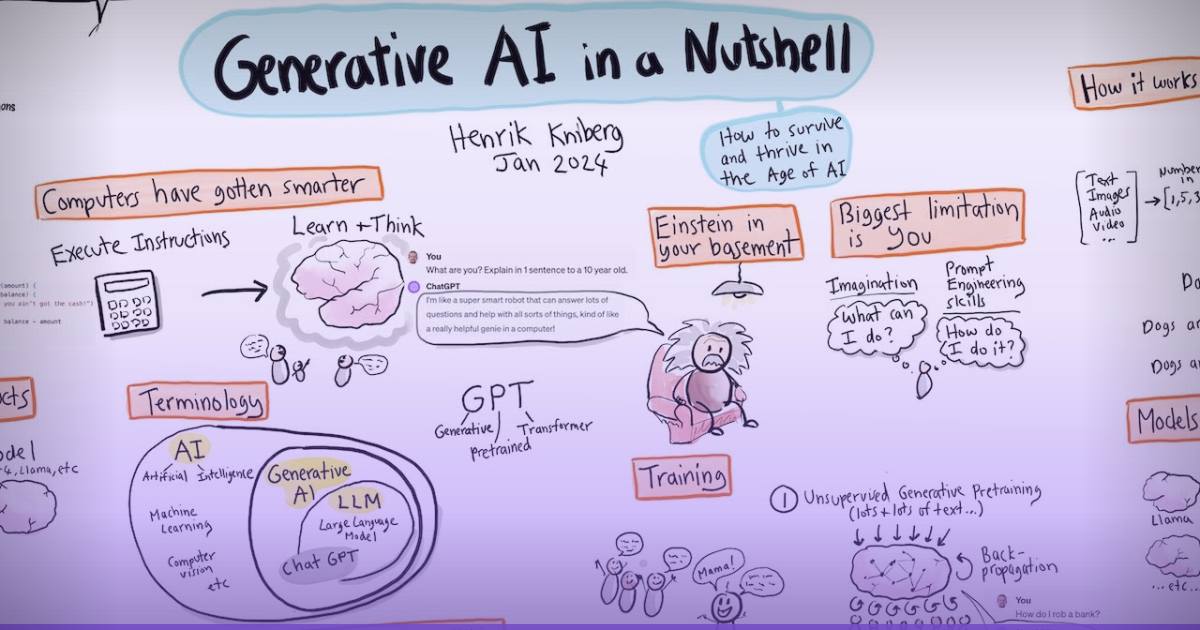
Generative agents represent one of the most exciting frontiers in artificial intelligence. Unlike traditional software that follows predetermined rules, these agents can reason, plan, and execute complex tasks autonomously.
The implications are profound: imagine software that doesn't just respond to commands, but anticipates needs, learns from context, and adapts its behavior in real-time. This is the promise of generative agents, and it's already beginning to reshape industries from customer service to software development.
What Makes Generative Agents Different?
Traditional AI systems are reactive — they wait for input and produce output based on trained patterns. Generative agents, however, maintain persistent memory, form plans, and can reflect on their own performance. They represent a fundamental shift from tools to collaborators.
The Future of Work
As these agents become more sophisticated, they'll transform how we work. Rather than replacing humans, the most effective implementations augment human capabilities, handling routine tasks while escalating complex decisions to human operators.